
Introduction
If you’re navigating the world of co-parenting, you’ve probably heard the term “joint custody” thrown around. And if you’re like many folks, you might be thinking, “Great! That means no child support, right?” Well, hold your horses there! It’s a common thought, but the reality is a little more nuanced. Let’s clear up some myths and get you the real scoop on how joint custody and child support often go hand-in-hand.
What’s Joint Custody?
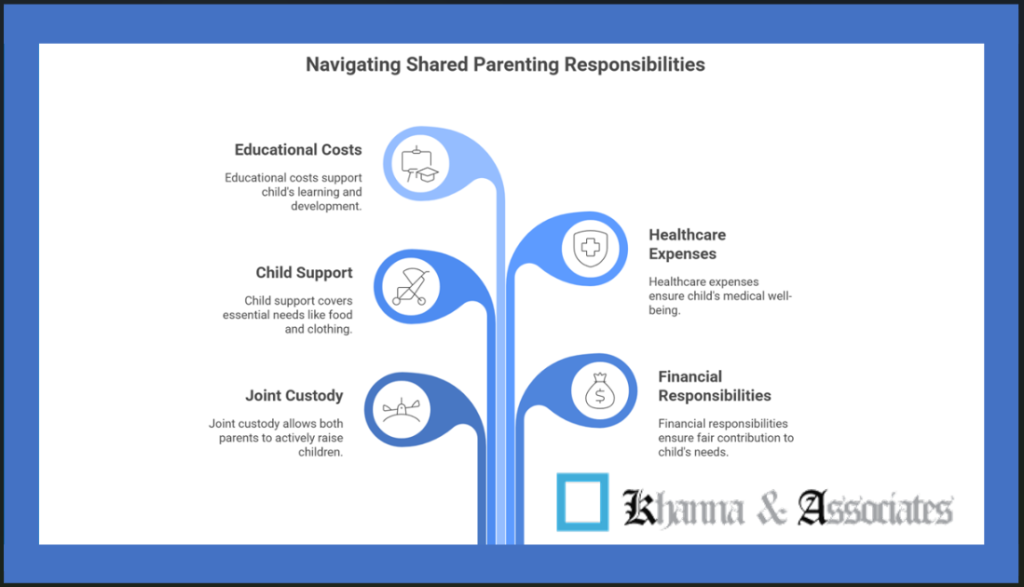
“Joint custody” isn’t a one-size-fits-all kind of deal. It generally means that both parents share in the rights and big responsibilities of raising their child. But it often breaks down into a couple of key parts:
- Joint Legal Custody: This is where both parents have an equal say in all those crucial decisions about your child’s life. Think schooling, healthcare, religious upbringing, and even those tricky extracurricular choices. You’re a team when it comes to the big stuff.
- Joint Physical Custody: This one’s about where your child actually spends their time. It means the child lives significant chunks of time with both parents, rather than primarily with just one. It could be a 50/50 split, or maybe 60/40, but the key is that they’re really sharing time between two homes.
Imagine both parents showing up for parent teacher conferences, debating the merits of soccer vs ballet, and ensuring their child has a stable, loving environment in two different homes. Sounds pretty collaborative, right? While this shared involvement is fantastic for kids, it doesn’t automatically zap away the financial support aspect. In fact, the money side of things can be a bit more intricate than you’d think!
Does Joint Custody Mean My Child Support Vanishes?
This is the big question, isn’t it? And the quick answer is not necessarily! It’s a common misconception, but child support isn’t just about who has the kids more. It’s about ensuring your child’s needs are consistently met, no matter which parent they’re with.
Here’s why joint custody rarely means zero child support:
- Income Matters: Even if your child splits their time perfectly between two homes, there might be a significant difference in what each parent earns. If one parent brings home a much larger paycheck, they might still be obligated to contribute more financially. This helps ensure the child maintains a similar standard of living in both households and that their needs are fully covered.
- Time Isn’t Always Equal (Even in Joint Physical Custody): While “joint physical custody” implies significant time, it’s not always a strict 50/50 split down to the hour. If one parent has the child for a slightly greater percentage of the time or is handling more of the day-to-day expenses, that can definitely influence support payments.
- The Child’s Specific Needs: Kids come with expenses! Beyond the basics, there are often costs for healthcare (especially if there are special medical needs), educational supplies, extracurricular activities, and more. Child support calculations aim to cover these, and they don’t magically disappear with a joint custody order.
It’s also worth noting that in many places in India, the focus is squarely on the “best interests of the child” when determining any financial support. The Maintenance and Welfare of Parents and Senior Citizens Act, 2007 (though primarily for parents and seniors, it reflects the spirit of welfare) and principles from the Guardians and Wards Act, 1890 guide courts in ensuring children are provided for.
Factors That Really Affect Child Support in Joint Custody Situations
So, if joint custody doesn’t outright eliminate support, what does swing the pendulum? Several key things come into play:
- Both Parents’ Income: This is usually the big one. Courts look at the combined income of both parents and then figure out how much each parent can contribute fairly. The goal is to ensure the child benefits from both parents’ financial capacity.
- How Much Time the Child Spends with Each Parent: While it might be “joint,” if one parent has the child for, say, 70% of the time versus 30%, the parent with less time might pay more support to the parent with more time to help cover the day-to-day costs.
- The Child’s Unique Needs: Does your child have specific medical conditions requiring ongoing treatment? Are they in a private school with high tuition fees? Do they have expensive hobbies or special educational needs? These “extra” expenses are often factored into the support amount.
- State-Specific Guidelines: While India doesn’t have a uniform “formula” like some Western countries, courts often consider principles of living standards and income. In places like the USA, individual states have very specific formulas (like the “income shares model” or “percentage of obligor’s income model”) that guide calculations. Here in India, judges use their discretion based on income, needs, and lifestyle.
- Agreements Between Parents: Sometimes, parents work out an agreement themselves that’s fair to both, reflecting their shared time and incomes. If you can do this amicably, that’s fantastic! Just remember, it’s super important to get any such agreement formalized by the court. Why? Because a court-ordered agreement gives it legal weight and helps prevent disputes down the road. You can usually find information on family courts and legal aid services on your state’s High Court websites, for example, the Rajasthan High Court website.
Shared vs. Joint Custody: A Quick Pit Stop on Terminology
Sometimes, you’ll hear “shared custody” and “joint custody” used interchangeably, but it’s good to know the subtle differences:
- Joint Custody: As we discussed, this broadly covers both shared decision-making (legal) and shared living time (physical).
- Shared Custody: This term often emphasizes the physical time the child spends with each parent, meaning substantial time with both, but not necessarily 50/50. It really highlights the idea of both parents being actively involved in the child’s daily life.
Regardless of the exact term, the court’s priority is always the “best interest of the child.” This means that even if parents are sharing time, financial responsibilities will be adjusted to make sure the child’s needs are not just met but met adequately.
FAQs
Q1: If we have 50/50 joint physical custody, does that mean no child support?
Not necessarily. While it can reduce the amount, child support often still comes into play if there’s a significant income difference between the parents. The goal is to ensure the child’s needs are met consistently, regardless of who earns more.
Q2: Can we just agree on child support ourselves without the court?
You can definitely agree amongst yourselves, which is fantastic for co-parenting! However, it’s highly recommended to get that agreement formalized and made into a court order. This provides legal protection for both parents and the child, helping to avoid future disagreements.
Q3: What if my ex gets a new, much higher-paying job after the child support order is in place?
If there’s a substantial change in income for either parent, you can usually petition the court to modify the existing child support order. It’s not automatic, but courts can review and adjust based on significant changes in circumstances.
Q4: Will I be penalized if I don’t pay child support even with joint custody?
Yes. Child support is a legal obligation. Failing to pay can lead to serious consequences, including wage garnishment, bank account levies, and even contempt of court charges.
Conclusion
Navigating joint custody and child support can feel like a puzzle, but it’s totally manageable. The key takeaway is this, joint custody is about shared parenting responsibilities, but it doesn’t automatically erase financial ones. The system is designed to ensure your child has the resources they need to thrive, no matter their living arrangement.