
Introduction
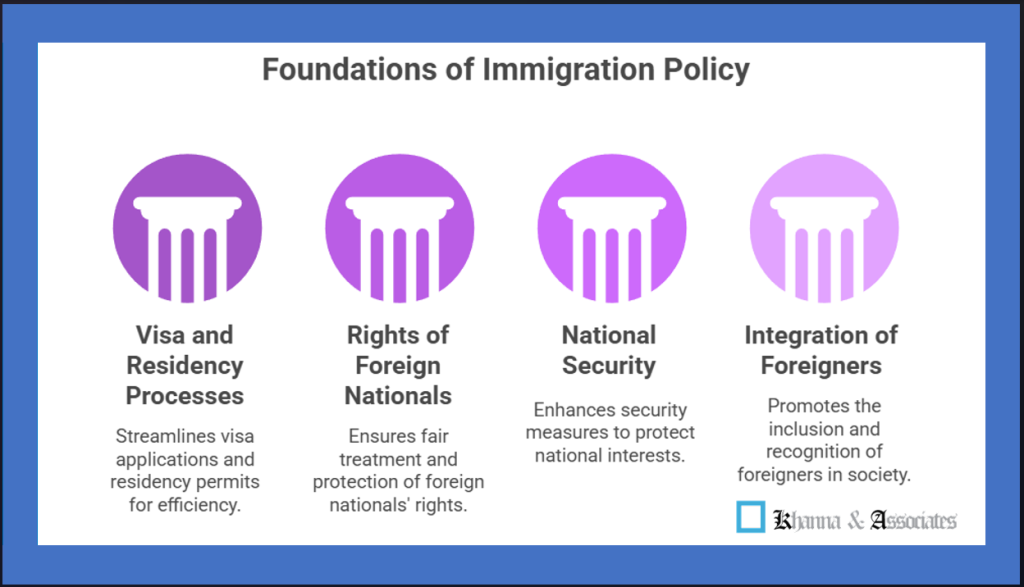
India is set to significantly update its immigration and foreigner management framework with the introduction of the Immigration and Foreigners Bill, 2025. This landmark legislation, brought before the Lok Sabha on March 11, 2025, aims to streamline and modernize the rules governing entry, stay, and departure of individuals in India. It replaces a collection of older laws, consolidating them into a single, comprehensive statute. This move is expected to enhance national security, regulate foreign presence more effectively, and simplify processes for legitimate visitors.
Replacing Previous Acts
The 2025 Bill marks a significant departure from the fragmented legal landscape that previously governed immigration and foreign nationals in India. It repeals four key Acts that have been in force for decades:
- The Passport (Entry into India) Act, 1920
- The Registration of Foreigners Act, 1939
- The Foreigners Act, 1946
- The Immigration (Carriers’ Liability) Act, 2000
By bringing these diverse provisions under one umbrella, the new Bill seeks to create a more cohesive and efficient system for managing foreign interactions within the country.
Key Aspects of the New Legislation
The Immigration and Foreigners Bill, 2025 introduces several crucial changes and consolidates existing provisions with updated perspectives.
Streamlined Entry and Exit Requirements
Under the new Bill, individuals entering or leaving India will be required to possess valid passports or other recognized travel documents. For foreign nationals, a valid visa will also be mandatory unless specifically exempted. Immigration officers will have the authority to inspect these documents to ensure compliance. The Bill further empowers the central government to designate specific entry and exit points across India, which will be staffed by immigration officers or other authorized personnel.
Establishing the Bureau of Immigration
A significant structural change proposed by the Bill is the establishment of the Bureau of Immigration. This dedicated body will be responsible for overseeing all immigration-related functions, including visa issuance, regulation of entry, and monitoring the transit, stay, and movement of individuals within and out of India. The Bureau will be led by a Commissioner, appointed by the central government, who will supervise its operations.
Mandatory Registration for Foreigners
Building upon the principles of the repealed 1939 Act, the 2025 Bill makes it compulsory for foreign nationals arriving in India to register with a designated Registration Officer. This measure aims to maintain accurate records of foreign visitors and their whereabouts during their stay. Details on foreigner registration can generally be found on the e-FRRO portal.
Enhanced Information Sharing Obligations
The Bill expands the responsibilities of various entities to provide information about foreign nationals. Previously, the 1946 Act primarily focused on carriers and hotel operators. The 2025 Bill extends this to include:
- Carriers: Airlines, shipping companies, and now also land transport operators will be required to furnish detailed information about their crew and passengers to civil authorities or immigration officers upon landing or embarking in India.
- Educational Institutions: Universities and other educational bodies must provide prescribed information to the Registration Officer when admitting foreign students.
- Medical Institutions: Hospitals and other medical facilities offering indoor treatment to foreign patients, or lodging facilities to their attendants, will also be obligated to provide relevant information to the Registration Officer.
Broader Definition of “Carrier” and Clearance Procedures
The definition of “carrier” is significantly broadened in the new Bill to encompass all modes of transport – air, water, and land. This expanded scope ensures comprehensive coverage of all entities involved in transporting passengers and cargo into and out of India. Furthermore, the Bill introduces a clear mandate: no aircraft, vessel, or other mode of transport can depart from India without obtaining clearance from an Immigration Officer. This clearance will be granted upon submission of a prescribed general declaration.
Updated Offences and Penalties
The Bill revises penalties for various offenses related to immigration. For instance, while the 1920 Act prescribed imprisonment up to five years and a fine of up to Rs. 50,000 for entering India without valid passports, the 2025 Bill increases the fine significantly to up to Rs. 5 lakh for foreigners entering without valid travel documents, in addition to imprisonment of up to five years. This demonstrates a stronger stance on unauthorized entry.
Adjusted Arrest Powers
The power of arrest for immigration-related offenses is also modified. While the 1920 Act allowed police officers not below the rank of Sub-Inspector and Customs officers to arrest without a warrant for passport violations, the 2025 Bill now empowers police officers not below the rank of a Head Constable to make such arrests without a warrant.
Implications of the New Immigration and Foreigners Bill
The Immigration and Foreigners Bill, 2025 signifies India’s commitment to strengthening its border management and internal security. The consolidation of laws aims to reduce ambiguity and create a more transparent and enforceable legal framework. While the Bill seeks to streamline processes, it also introduces stricter compliance requirements for both foreign nationals and entities interacting with them. It is crucial for anyone involved in international travel to or from India, or those hosting foreign nationals, to be aware of these changes and ensure full compliance.
FAQs
Q1: When was the Immigration and Foreigners Bill, 2025 introduced?
The Bill was introduced in the Lok Sabha on March 11, 2025.
Q2: Which older laws does this new Bill replace?
It repeals the Passport (Entry into India) Act, 1920, the Registration of Foreigners Act, 1939, the Foreigners Act, 1946, and the Immigration (Carriers’ Liability) Act, 2000.
Q3: Do foreigners still need a visa to enter India under the new Bill?
Yes, along with valid passports or travel documents, foreigners must possess a valid visa unless specifically exempted. For official Indian visa application information, visit https://indianvisaonline.gov.in/
Q4: What is the purpose of the new Bureau of Immigration?
The Bureau of Immigration will be the central authority responsible for all immigration functions, including visa matters, regulation of entry, and monitoring of foreign nationals’ movement and stay in India.
Q5: Are educational institutions and medical facilities now required to provide information about foreigners?
Yes, the Bill expands reporting obligations to include educational institutions (for foreign students) and medical institutions (for foreign patients and their attendants).
Q6: Has the definition of “carrier” changed?
Yes, the definition of “carrier” has been expanded to include all modes of transport: air, water, and land.
Q7: Have the penalties for immigration offenses increased?
Yes, for certain offenses, such as entering without valid documents, the penalties have been increased, including a significantly higher fine amount.
Conclusion
The Immigration and Foreigners Bill, 2025 represents a significant legislative overhaul in India, aimed at creating a modern, unified, and more robust framework for managing immigration and the presence of foreign nationals.
By streamlining processes, enhancing information sharing, and adjusting penalties, this legislation modernizes India’s immigration framework, strengthening national security and border governance. This also paves the way for more efficient and transparent immigration services, benefiting both foreign nationals and the agencies assisting them.